August 11, 2026: DDIA Announces the Completion of the LMDP 2026 Spring Cohort
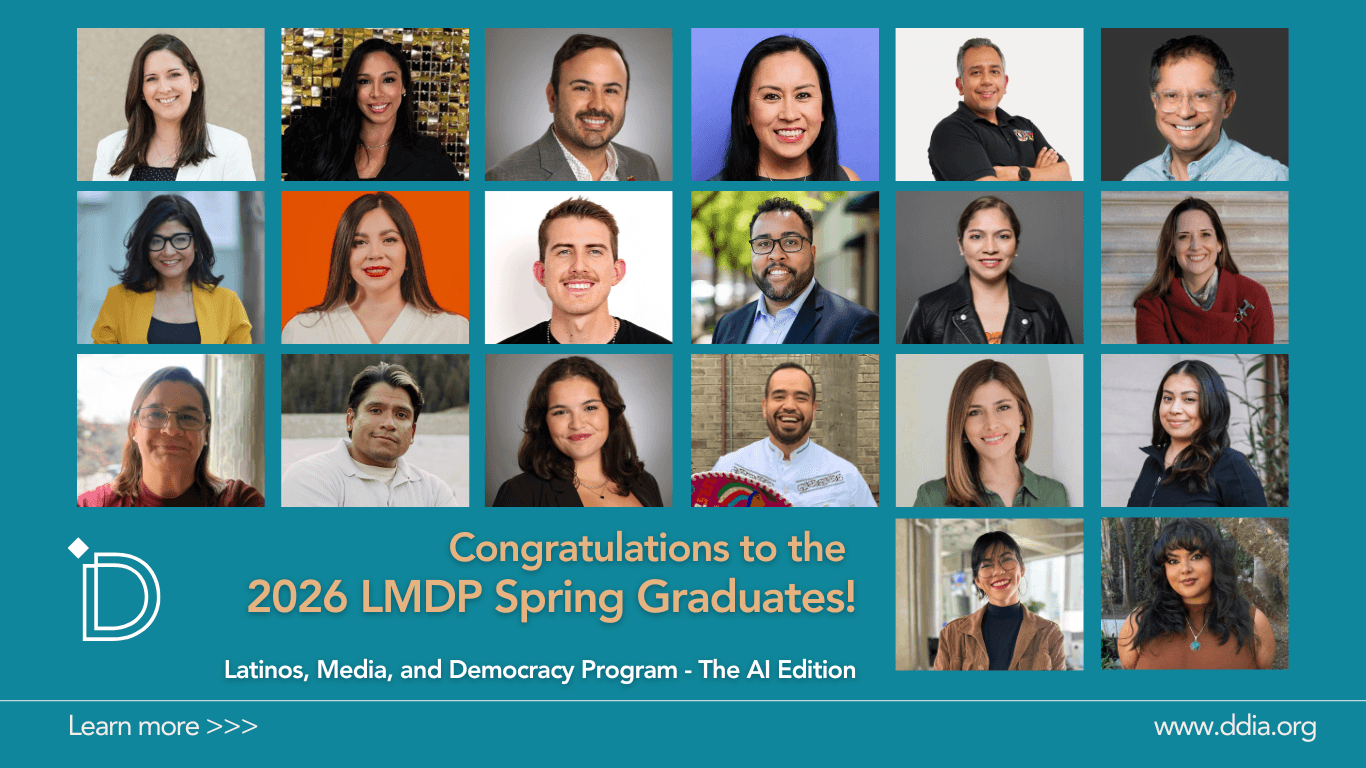
The Digital Democracy Institute of the Americas (DDIA) is pleased to announce the completion of the Latinos, Media and Democracy Program (LMDP) 2026 - The AI Edition, Spring Cohort.
Over the past several months, the program brought together 20 talented latino journalists, content creators, and civil society leaders to strengthen their knowledge and practical skills at the intersection of artificial intelligence, information ecosystems and democracy.
Through virtual sessions, expert-led discussions, hands-on activities, and one-on-one mentorship, participants explored topics including AI tools and applications, media consumption trends, fact-checking and verification, ethical frameworks, AI governance, and strategies to help communities become more resilient to misinformation and manipulation.
As part of the program, each participant has been developing a final project applying these learnings to their professional work. The projects span journalism, research, community engagement, digital content creation, and educational initiatives, all with the shared goal of strengthening healthy information ecosystems for Latino communities.
In the coming weeks, DDIA will showcase these projects across our website, and social media channels, highlighting the innovative work and impact of this cohort.
We encourage everyone to stay tuned as we share and celebrate the achievements of these remarkable professionals and their contributions to strengthening information integrity and democratic engagement across Latino communities.
With the completion of the program, participants also become members of the LMDP Alumni Network, where they will continue connecting, learning, and collaborating with fellow alumni across the Americas.
March 31, 2026: Introducing the 20 Selected Participants for DDIA’s Spring Cohort “Latinos, Media, and Democracy Program (LMDP) 2026 - The AI Edition”
The Digital Democracy Institute of the Americas (DDIA), in collaboration with the Atlantic Council’s Digital Forensic Research Lab (DFRLab), is proud to announce the 20 participants selected for the 2026 edition of the Latinos, Media, and Democracy Program (LMDP) 2026 - The AI Edition.
The first of two cohorts DDIA will host this year brings together a multi-lingual group of journalists, content creators, and civil society leaders committed to strengthening a healthier information ecosystem for Latino communities in the United States and Latin America.
Participants were selected from a highly competitive pool of applicants for their unique work, vision, and commitment to listening to and engaging with Latinos across U.S. states and territories.
These trusted messengers are creative thinkers and doers working at the intersection of media, artificial intelligence, information integrity, and democracy.
Throughout the program, the cohort will engage in briefings and hands-on workshops covering topics such as:
U.S. Latino media consumption and voting trends
AI-powered prompt engineering, content analysis, and deep search and verification
AI use in reporting, investigations, and content creation, focusing on bias mitigation, data privacy, and maintaining human oversight
Ethics, depolarization, and information integrity
LMDP 2026 will also welcome back several alumni from the 2024 cohort, whose experience and continued work since completing the program will add valuable perspective to this year’s group.
The 2026 Spring cohort brings together voices from Arizona, California, Florida, Georgia, Pennsylvania, Virginia, Utah, Washington, DC, and Puerto Rico, and from various countries in the region, including Mexico and Venezuela.
Please join DDIA and the DFRLab in welcoming the LMDP 2026 participants!
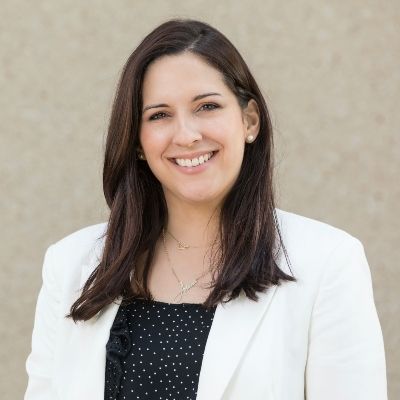
Ariana Gonzalez is a Venezuelan educator, women’s rights activist, and human rights content creator. She is a member of Venezuela’s democratic movement led by María Corina Machado.
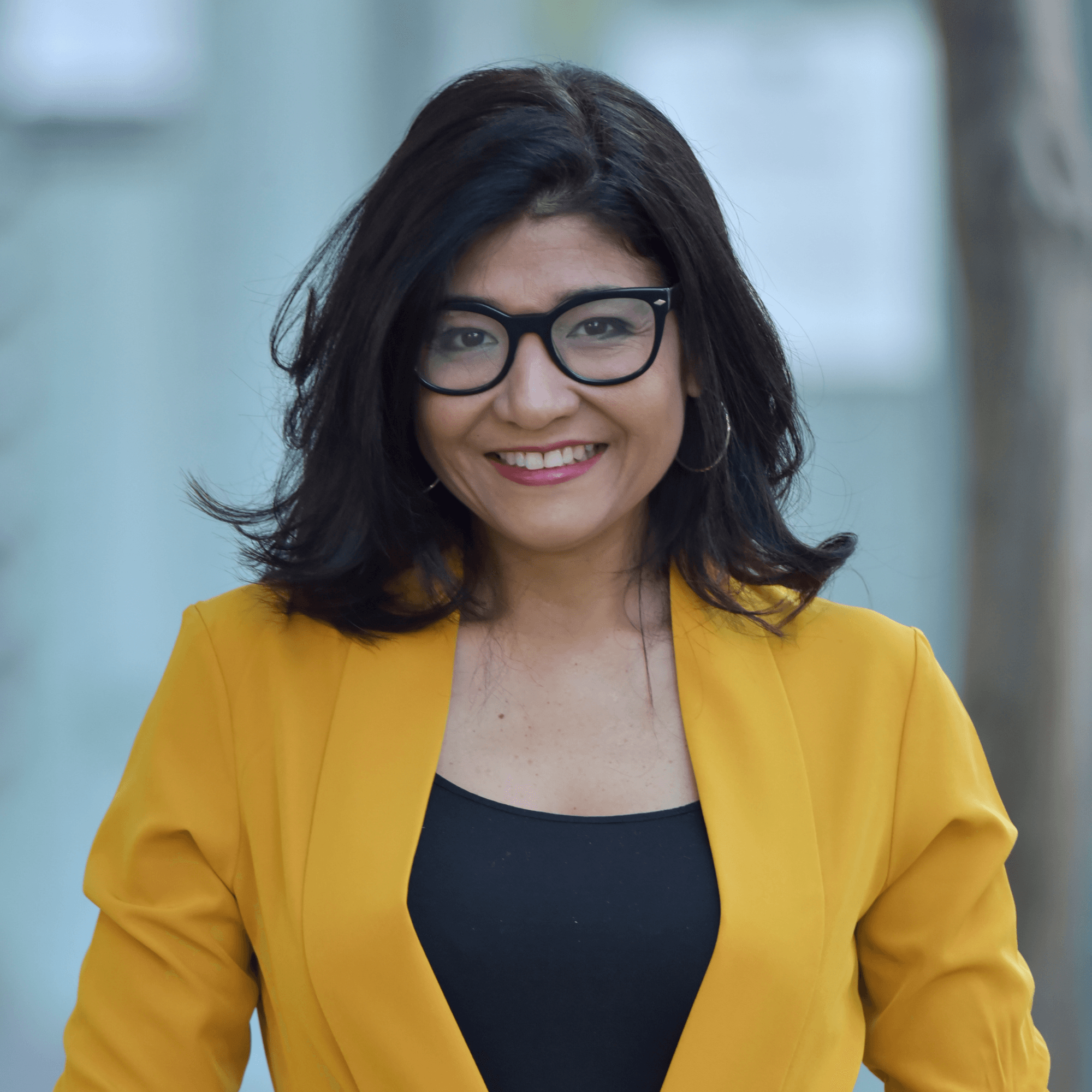
Arianny Valles is host and producer of Noticias Enlace and founder of Pendiente Mi Gente. She is a journalist and radio producer serving the Latino community in Arizona.
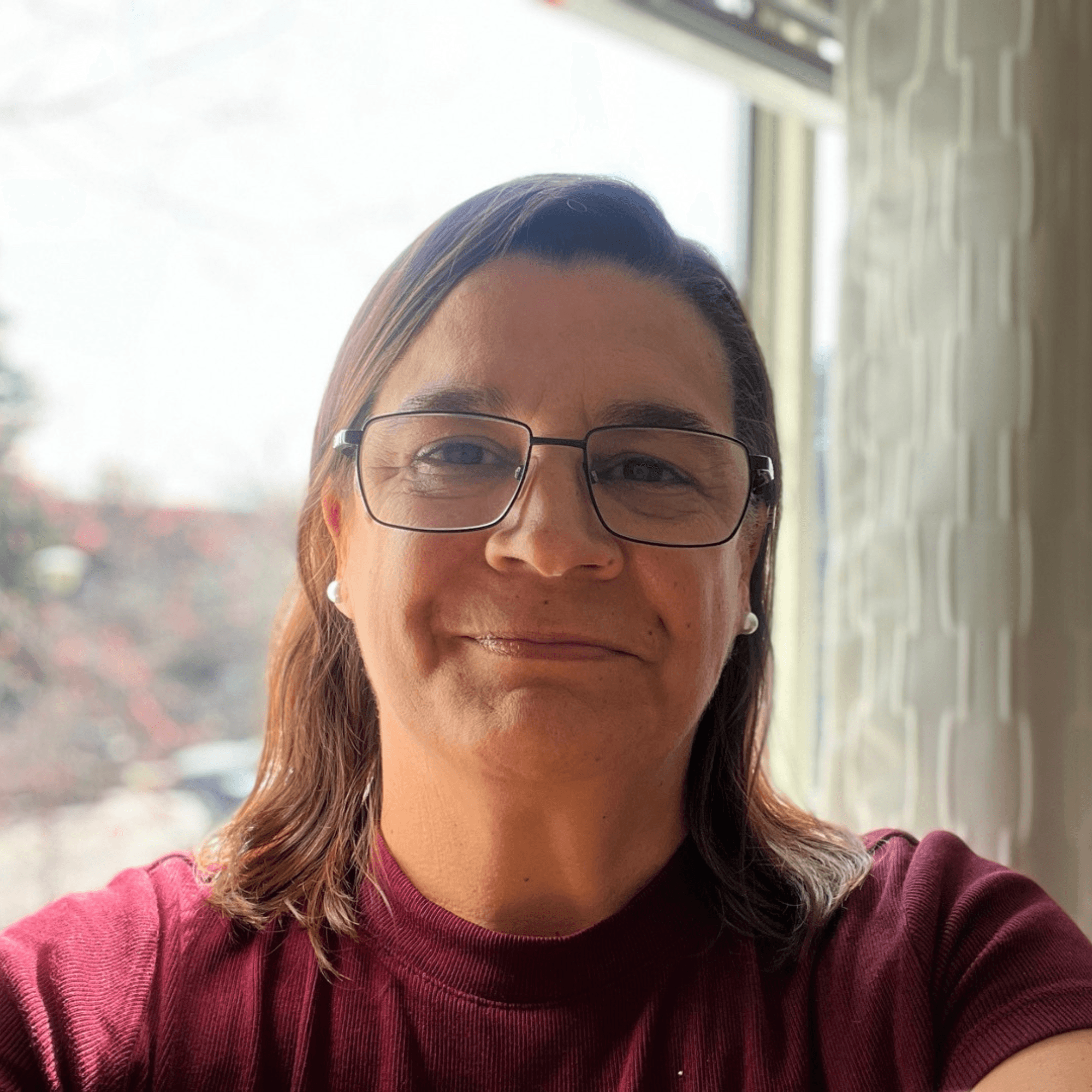
Belén Quellet is a communications professional specializing in strategic communication, social impact, and education. She currently focuses on advancing learner-centered education initiatives and has led digital campaigns and community engagement efforts across sectors.
Follow Belén: LinkedIn
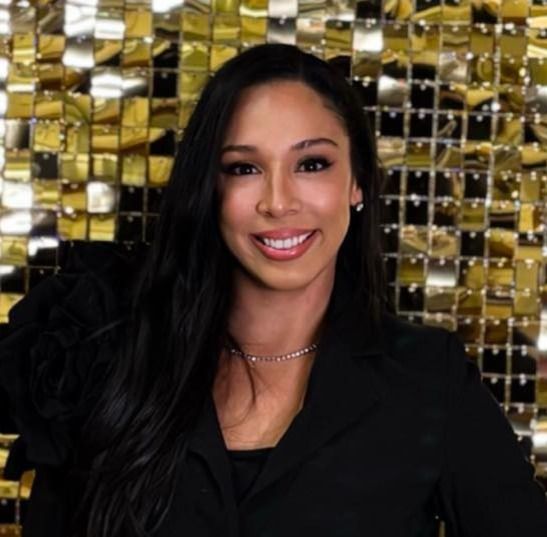
Carliana “Carli” Harris is a communication specialist at We Are CASA, a Latino and immigrant advocacy organization. A Georgia-based journalist by training, born and raised in Puerto Rico, she is passionate about storytelling that connects people, culture, and community, especially for underrepresented audiences.
Follow Carliana: LinkedIn
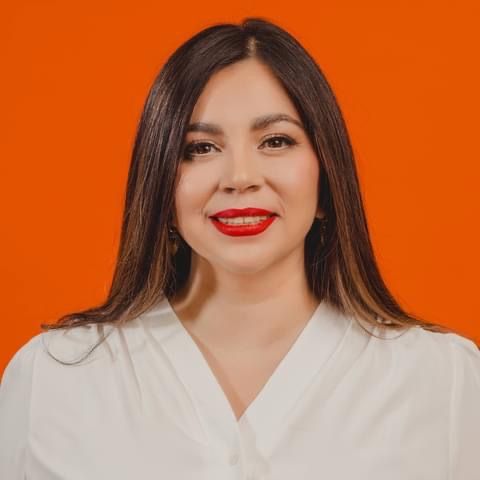
Celia Montoya is a Mexican, Phoenix-based journalist and multimedia storyteller at Conecta Arizona, and founder of Entre Nortes, a narrative project. She reports on Latino and immigrant communities across the U.S.-Mexico borderlands, focusing on migration, housing, and everyday life.
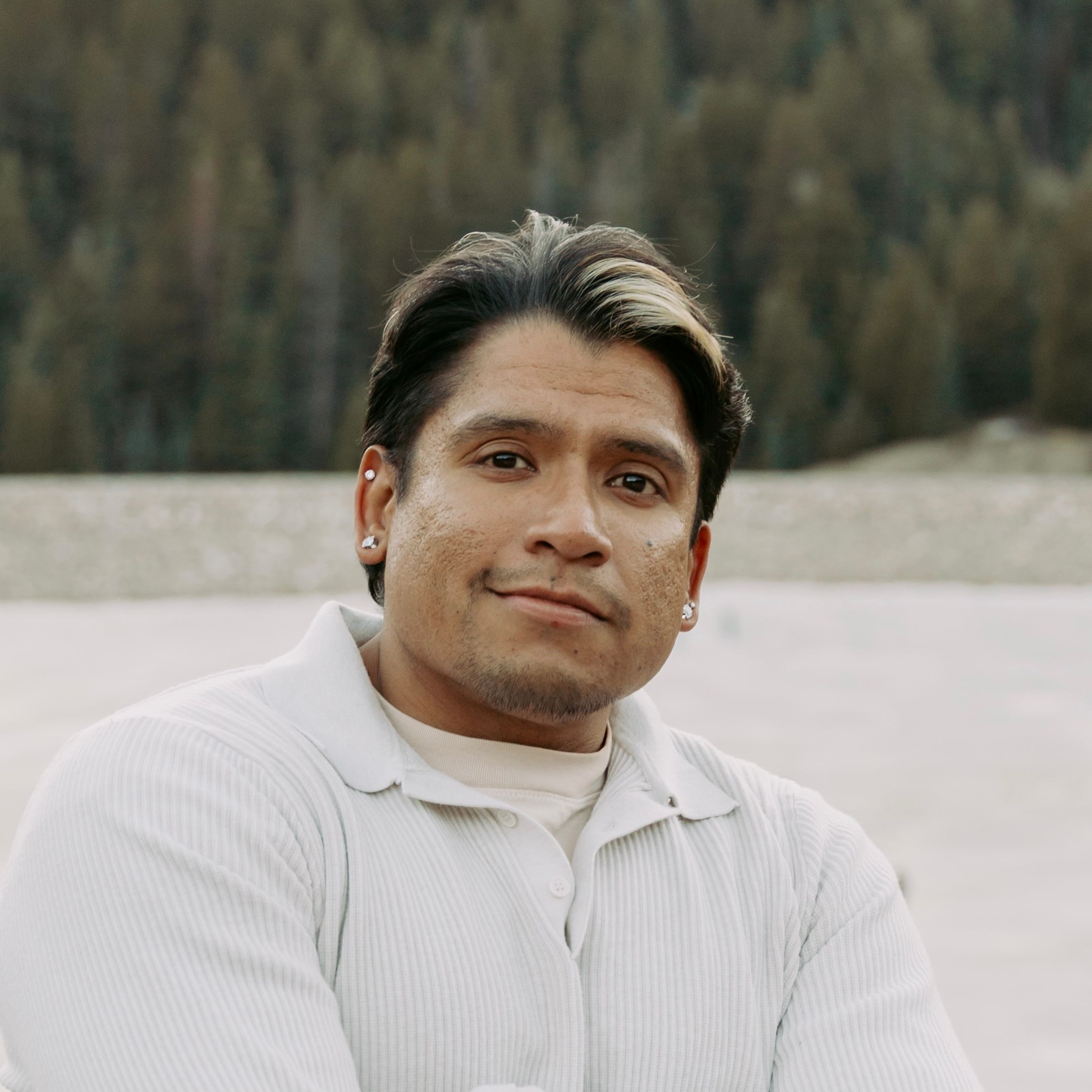
Cristóbal Villegas is the director of community engagement at The Salt Lake Tribune in Utah. He focuses on building trust between institutions and diverse communities, including youth, Spanish-speaking, and rural populations.
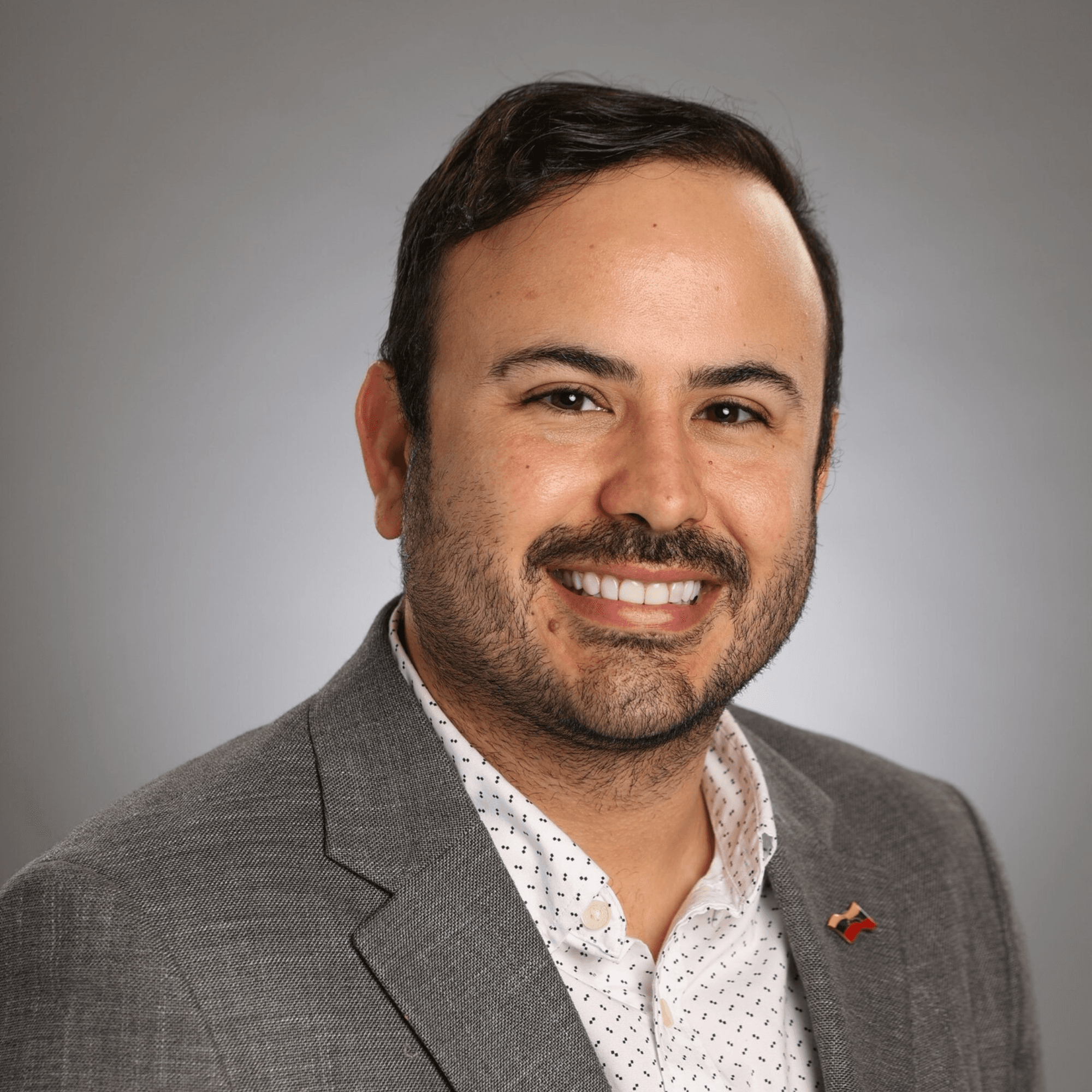
Eduardo Hayek is a collaborator with Te Lo Cuento News. He is a journalist, content creator, and communications professional based in Pennsylvania, producing stories on Latino communities, public policy, and social issues.
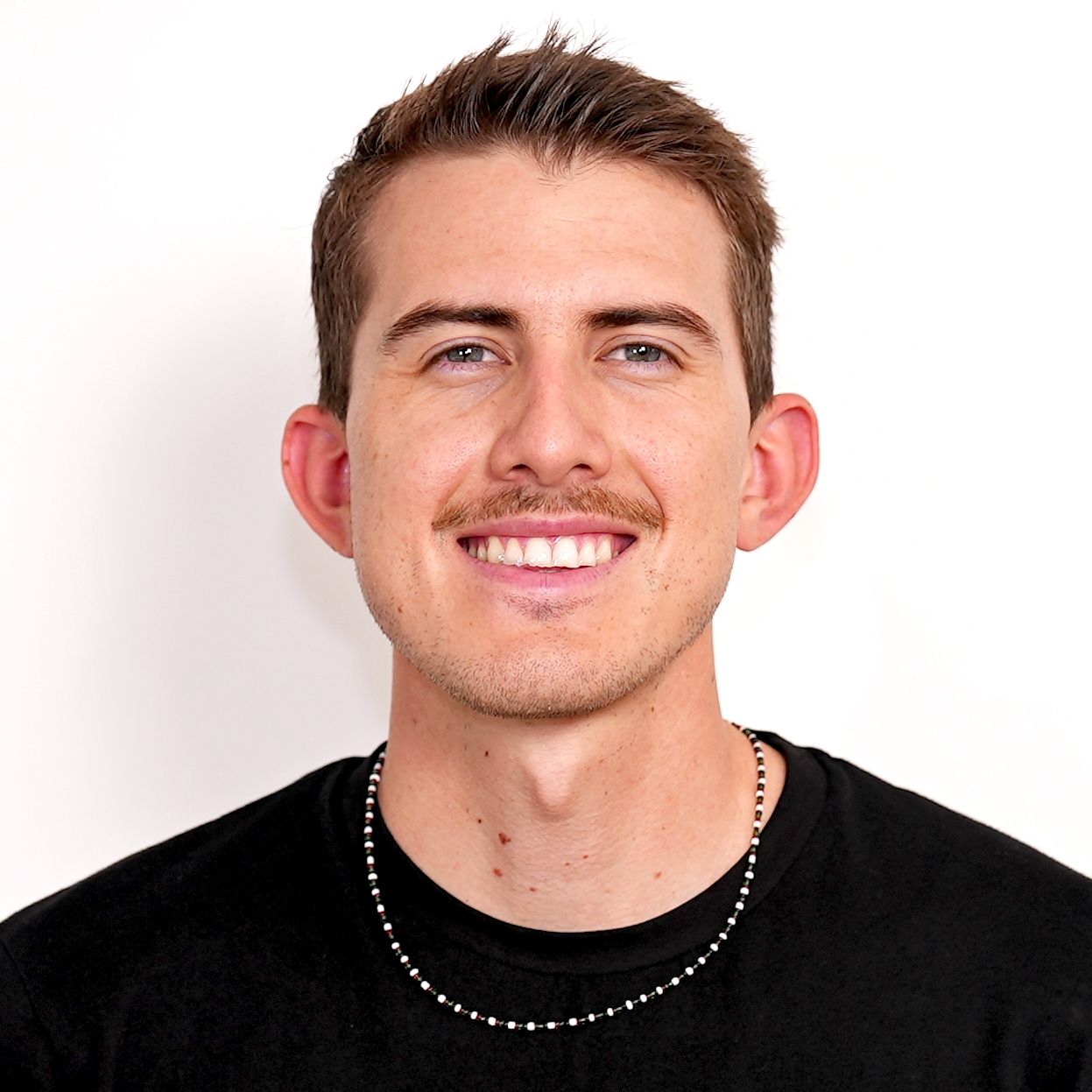
Eithel Krauss is a filmmaker and photographer currently serving as content producer for Alliance San Diego. He was born to Mexican parents and raised in Tijuana/Tecate, México. Eithel is dedicated to building community power by bringing human rights home.
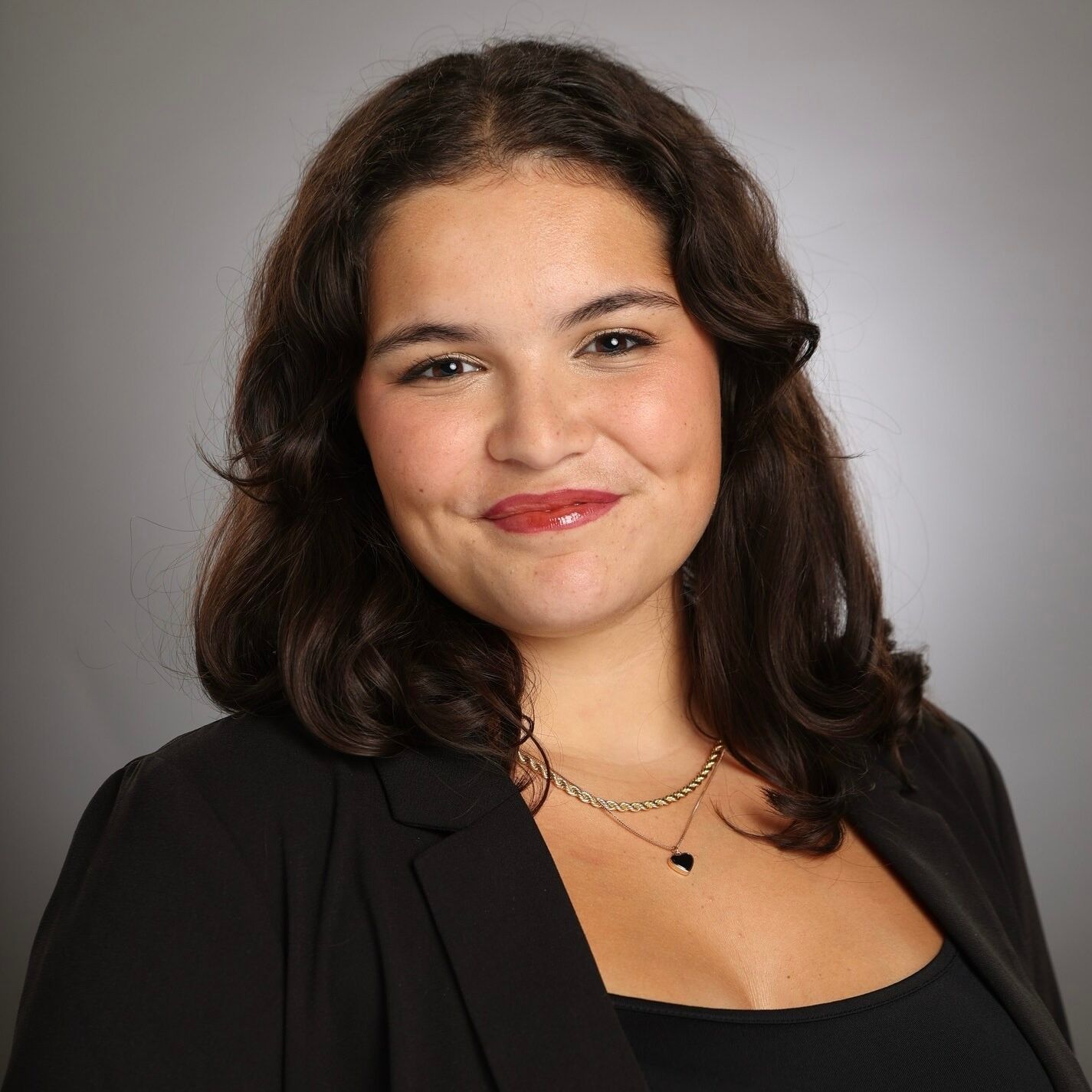
Fabianna (Fabby) Rincón is a journalist at El Tiempo Latino. Fabby focuses on local government and community reporting, and has a background in political communications and digital journalism.
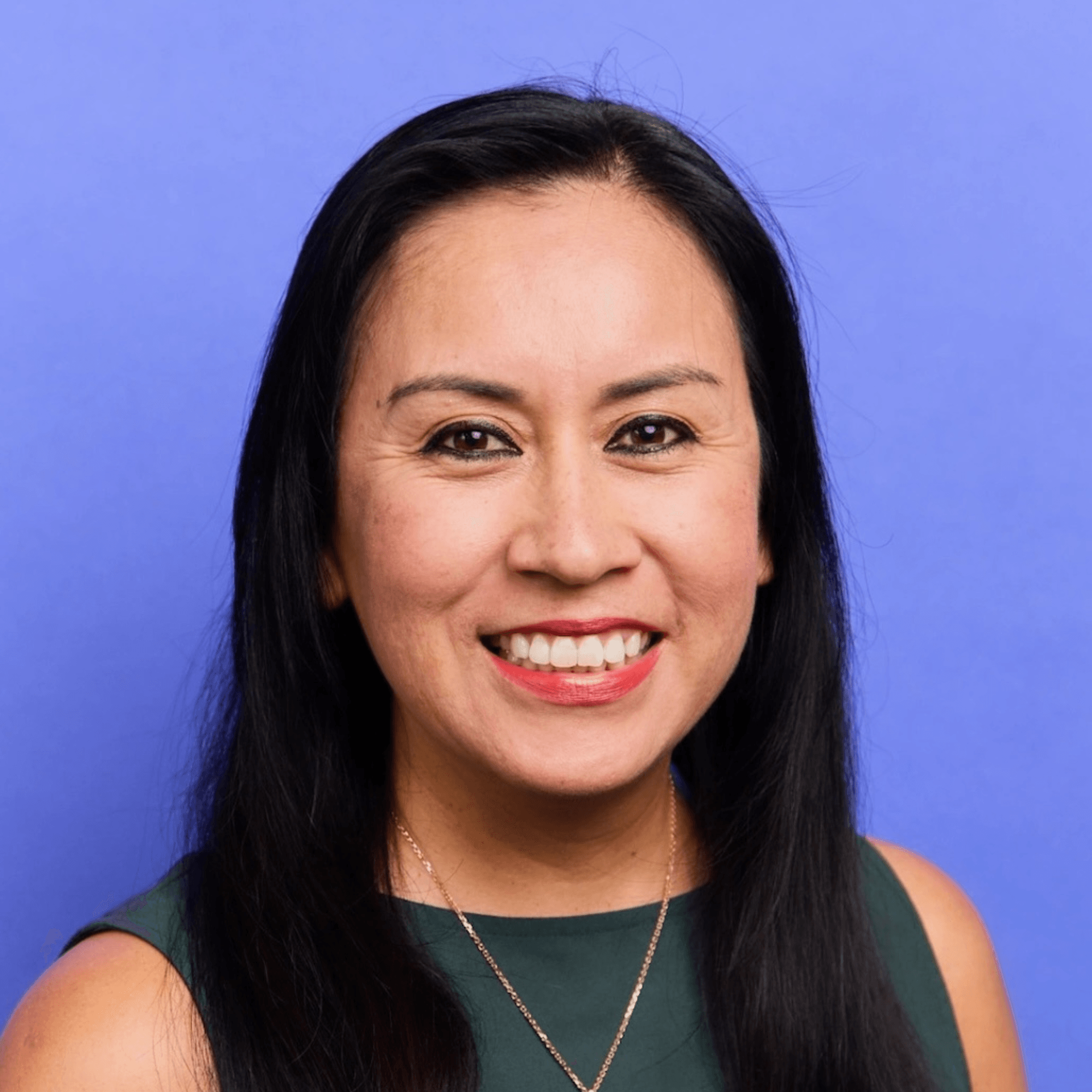
Jacqueline García is a journalist at CALÓ News in Los Angeles, California. She is an award-winning reporter with experience covering issues ranging from immigration and politics to health and education. Jacqueline is originally from Puebla, México, and a former DACA recipient.
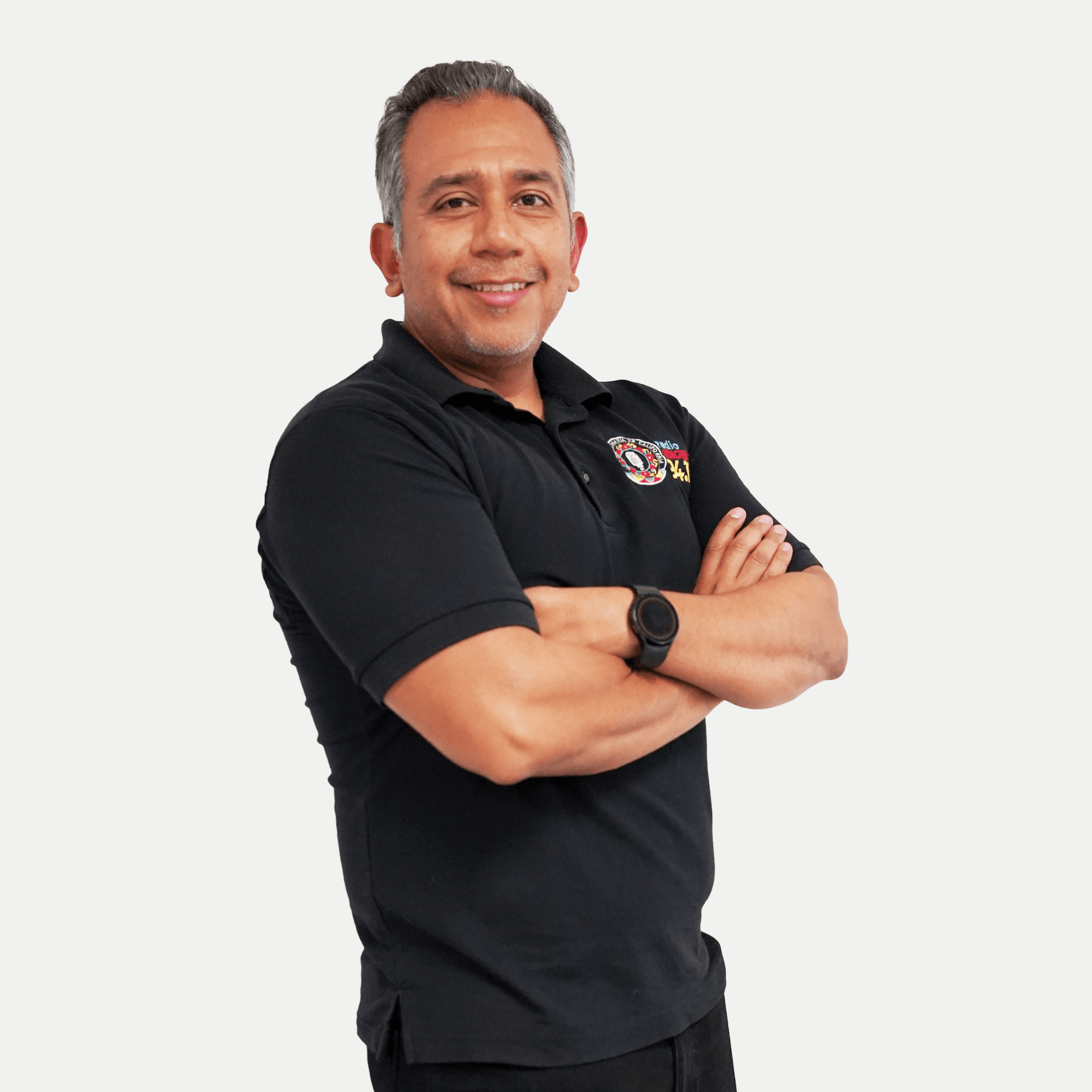
Jorge Rios is the station manager for Radio Indigena, part of the Mixteco Indigena Community Organizing Project (MICOP), a coalition that supports and empowers Indigenous migrant communities. He has built his career in radio and focuses on serving Indigenous migrant communities in the United States.
Follow Jorge: radioindigena94.1fm
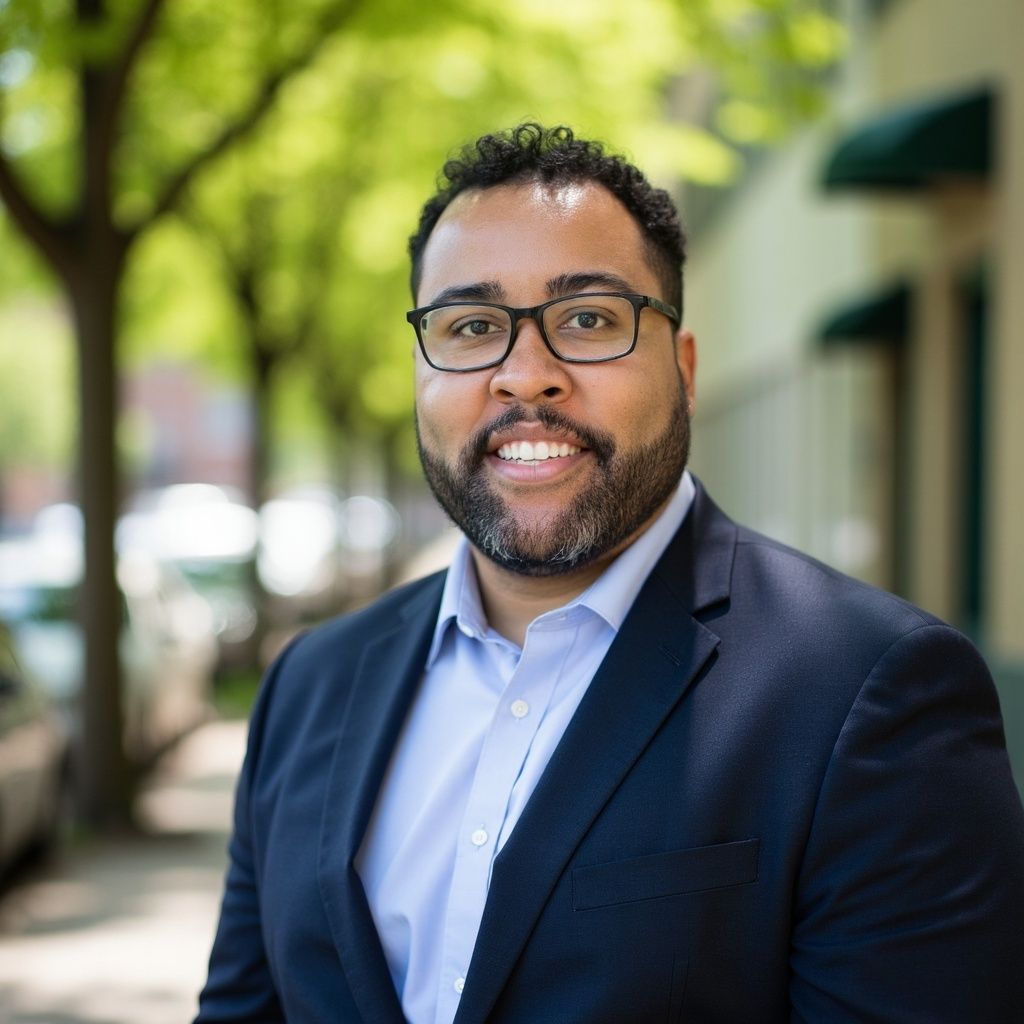
J.B. Branch is an AI governance and technology policy counsel at Public Citizen, where his work focuses on AI governance, technology policy, democracy, and digital authoritarianism. Half Black and half Puerto Rican, J.B. previously taught recent immigrant students in Miami, Florida, an experience that continues to shape his work today.
Follow J.B.: LinkedIn
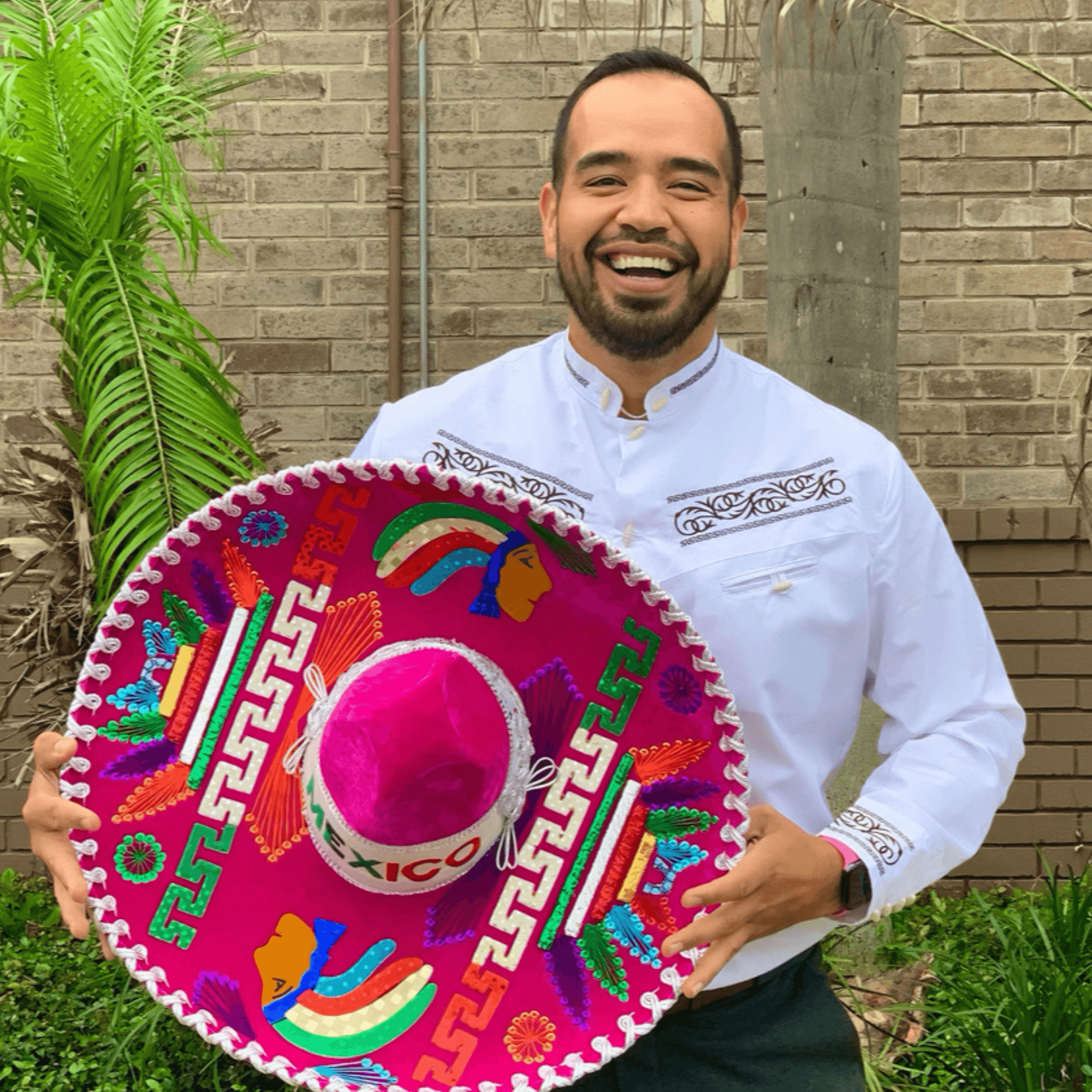
Jc Frias is a Mexican-American storyteller and civic educator based in South Texas. Through his Real Talk platform he breaks down politics misinformation and policy impacts for Latino communities.
Follow Jc: Instagram, TikTok, Youtube
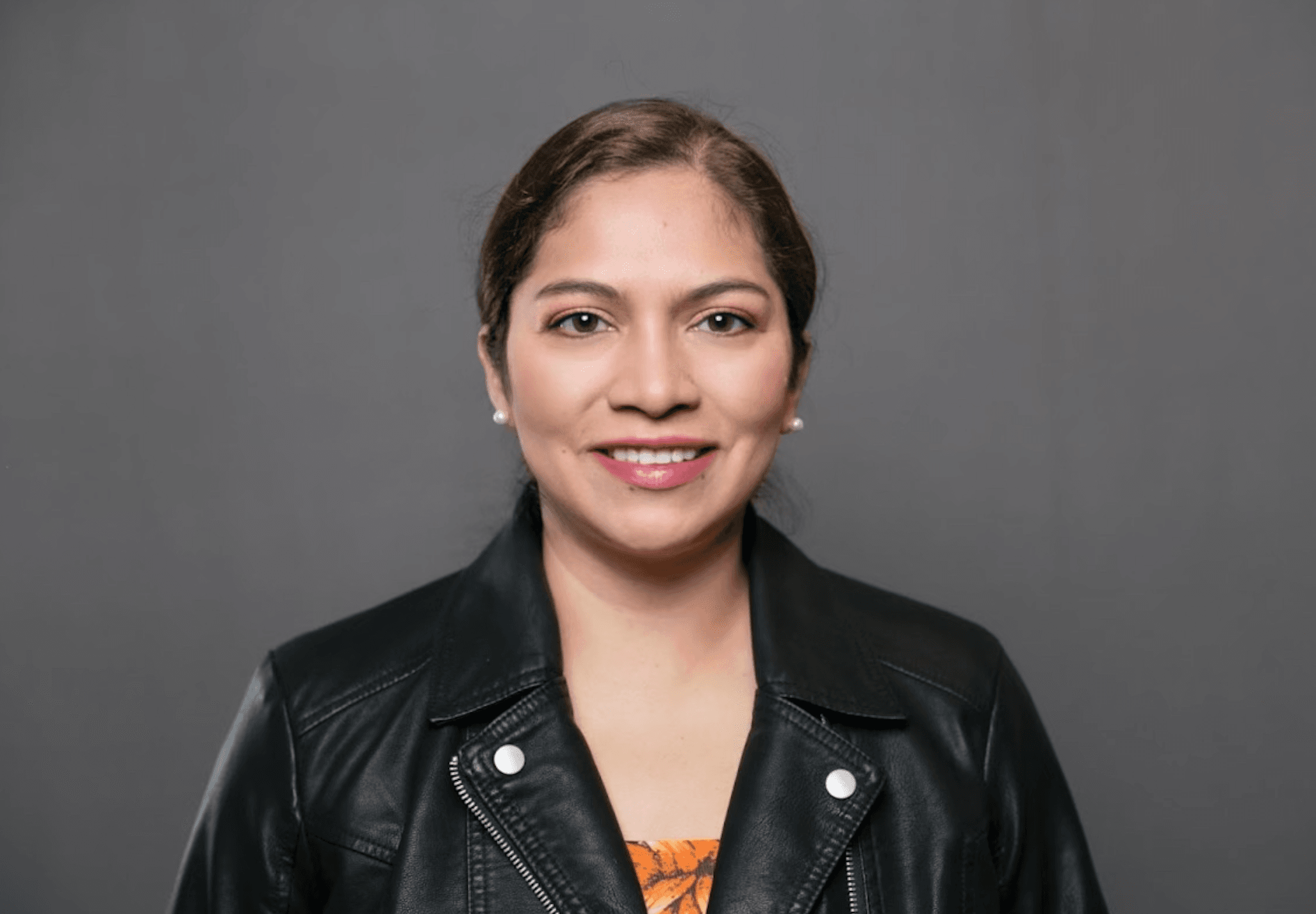
Linda López Stone is the senior director for immigration and digital strategy at MamásConPoder / MomsRising, where she champions immigrant justice through policy, advocacy, and strategic communications.
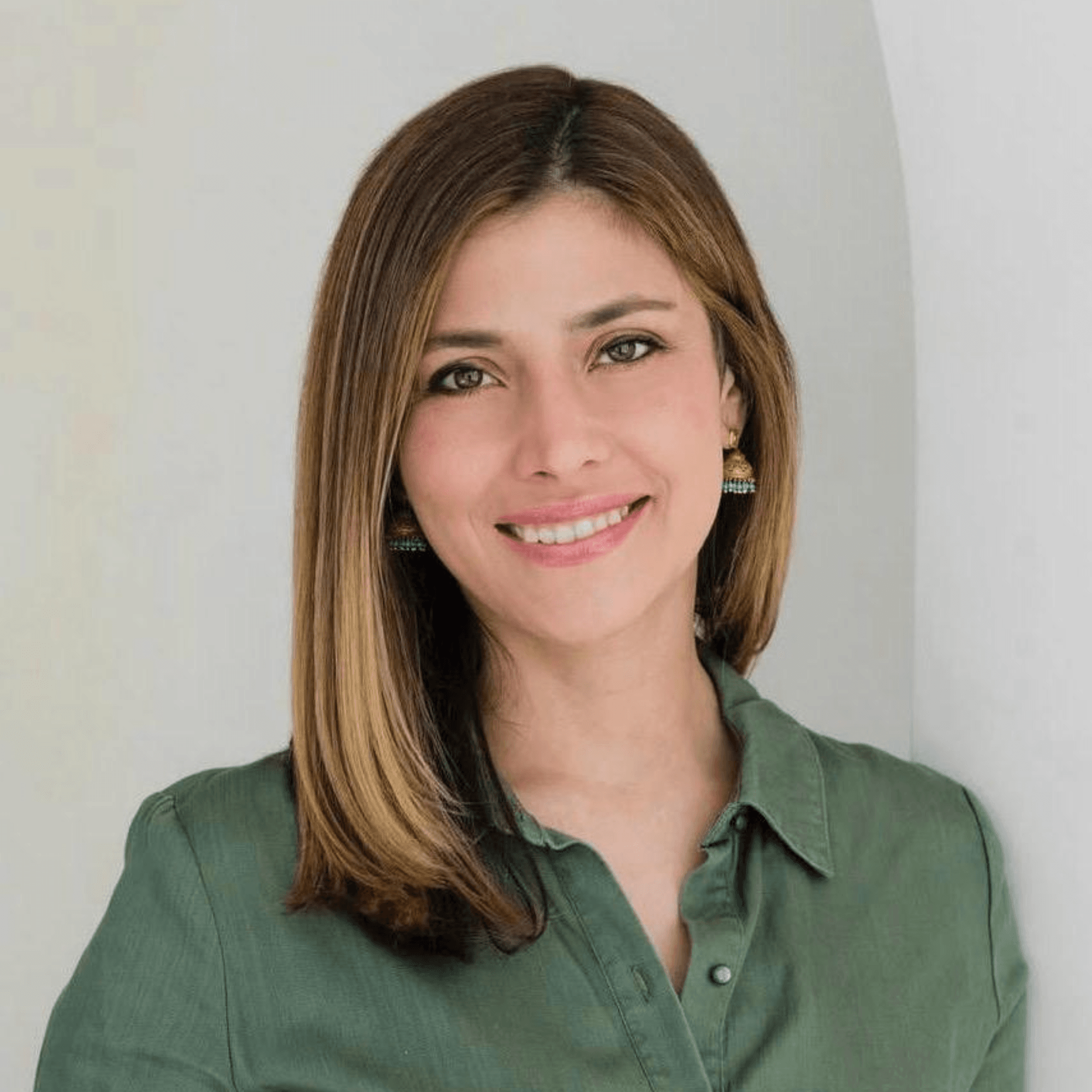
Maria Molina is a Washington correspondent for N + Univisión and LA FM of RCN Radio in Colombia. Based in Washington, DC, since 2015, she has covered political affairs from the White House, Congress, the Organization of American States, and other institutions.
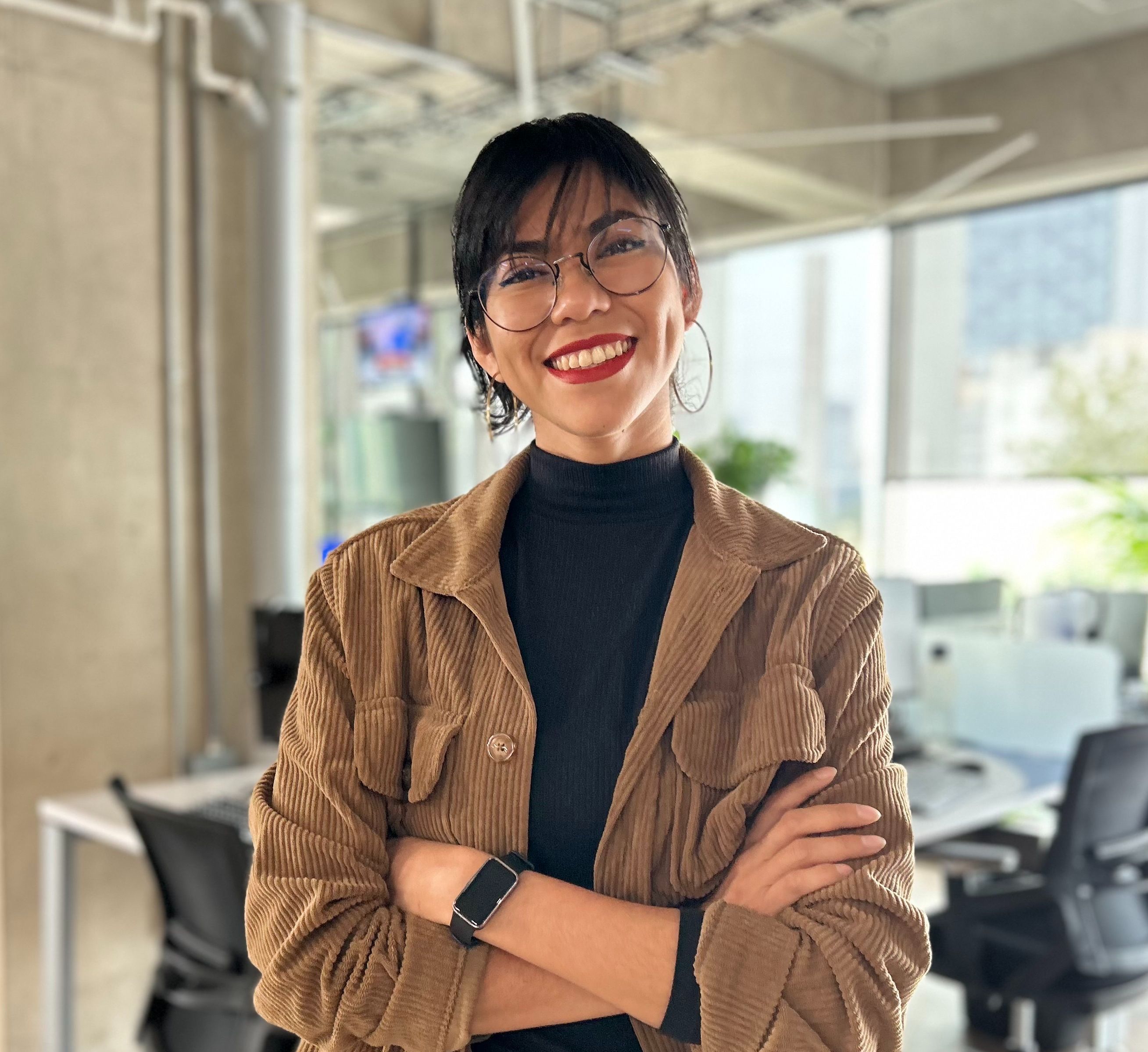
Roxana Romero is a Mexico City-based journalist and fact-checking specialist at Agence France-Presse (AFP), where she investigates Spanish-language misinformation circulating in Mexico and the United States. She specializes in investigative and solutions journalism, focusing on migration, human rights, and the environment.
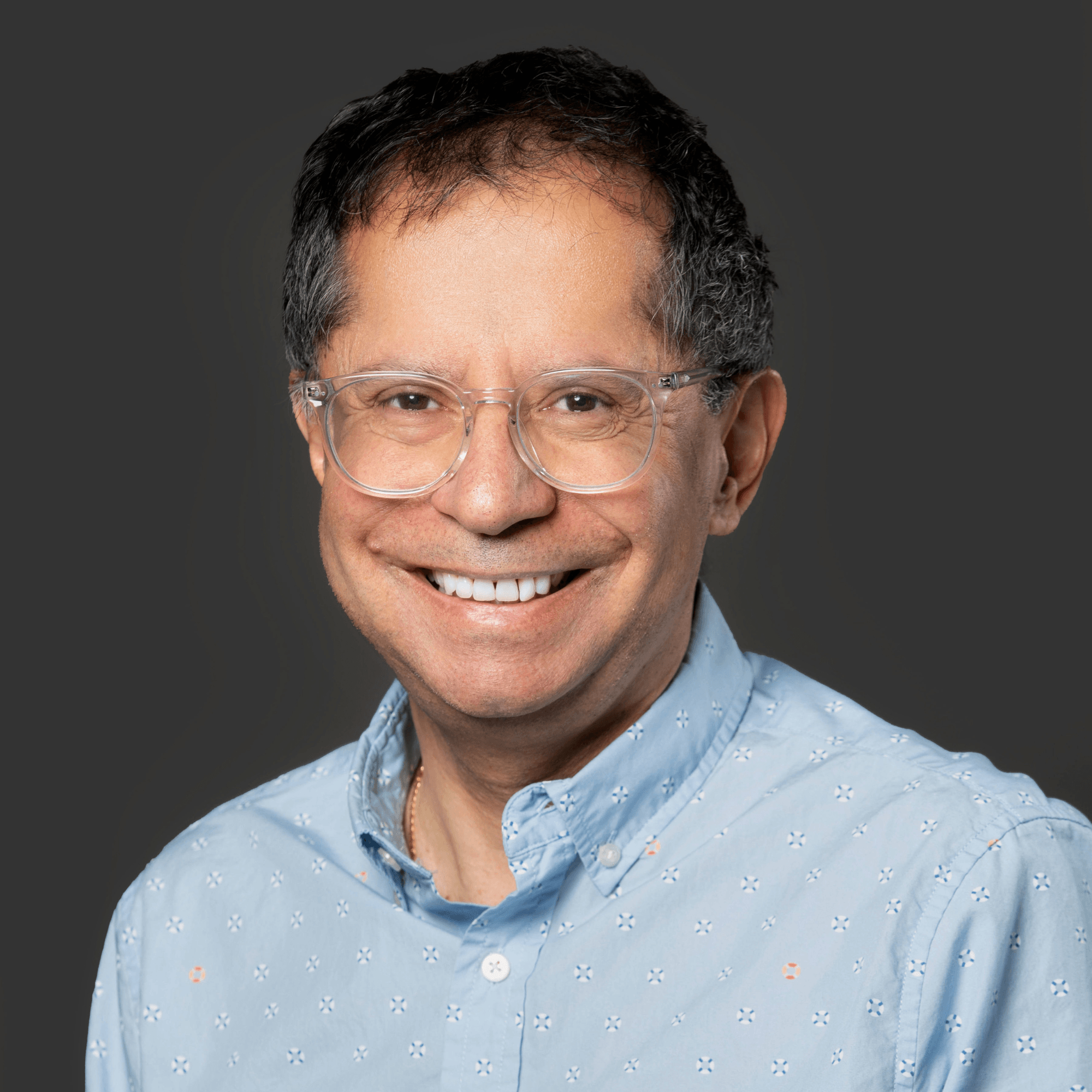
Sergio Otalora is a narrative-building professional who transitioned from journalism to the role of deputy communications director at Florida Rising. Sergio writes a weekly op-ed for El Espectador in Colombia.
Follow Sergio: LinkedIn
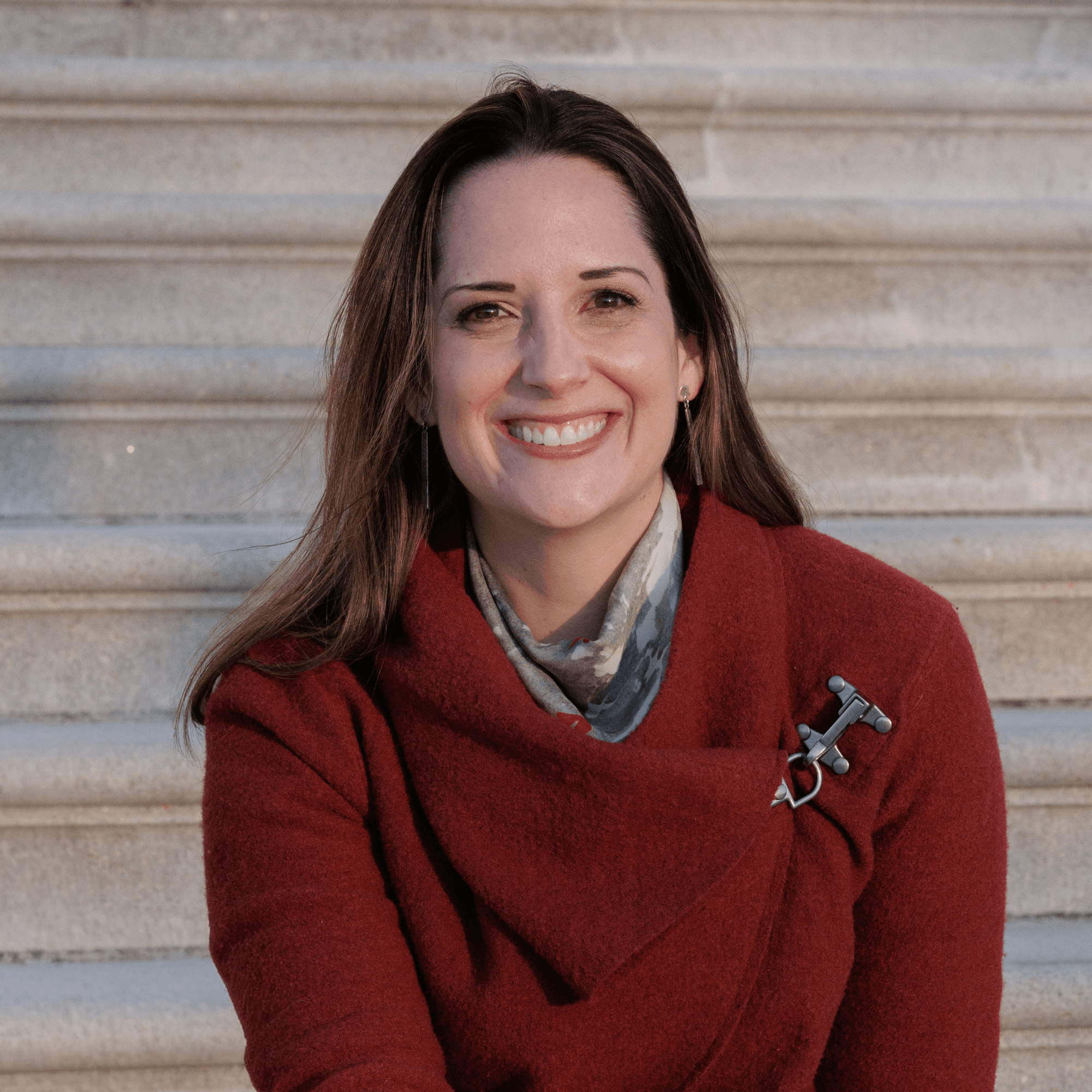
Sylvia Salazar is a Latina immigrant content creator, storyteller, and educator. She is the founder of Tono Latino, a digital platform launched in 2017 that breaks down complex political issues through storytelling in English and Spanish.
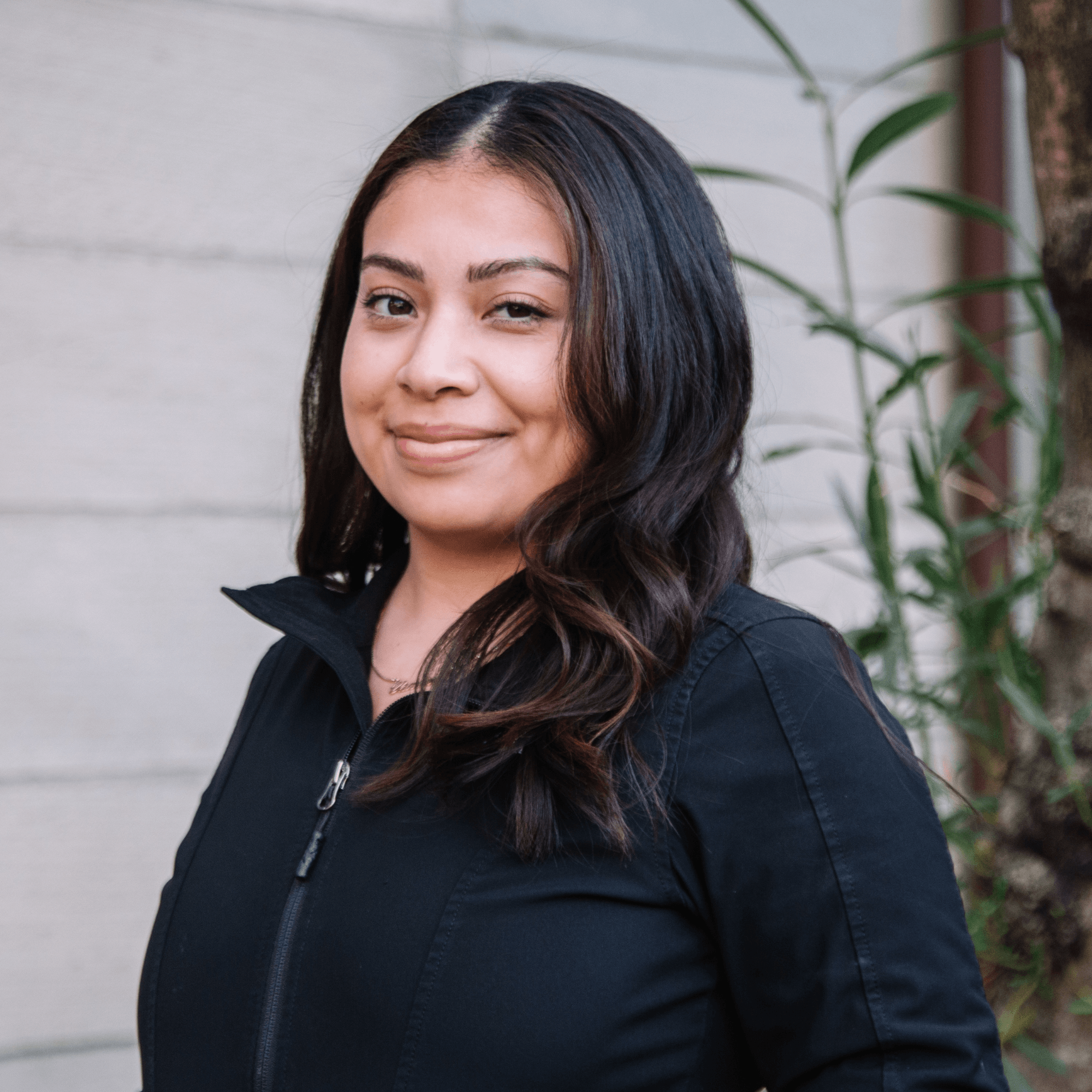
Vanessa Flores is a community reporter at El Tímpano in California, where she manages an SMS service reaching over 6,500 Spanish-speaking immigrants across the Bay Area, with reporting grounded in community experiences.
Follow Vanessa: LinkedIn
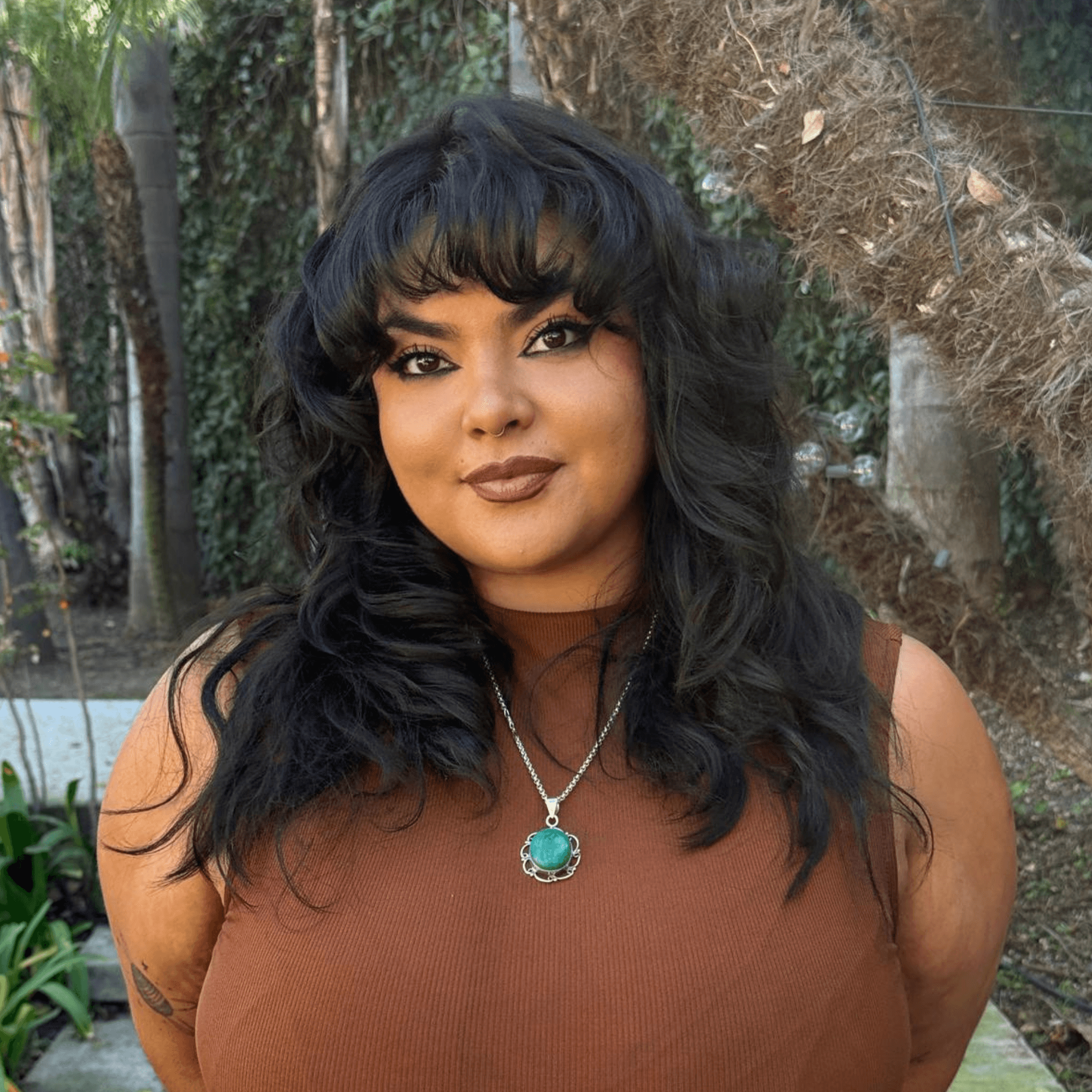
Ysabella (Ysa) Osses currently serves as Latinx constituency director at Florida Rising. Ysa is a political scientist, sociologist, and anthropologist, whose work sits at the intersection of analysis, organizing, narrative, and movement-building, with a focus on Latinx, Indigenous, queer, and working-class communities.
More About the Program:
LMDP 2026 workshop modules include:
Foundations - Latinos, The Information Landscape, and AI
The Investigator's Toolkit
Application and Ethics of AI
LMDP 2026 will kick off with an in-person workshop in Washington, D.C., on April 28 and 29. Participants will be presented with information trends, tactics, and narratives affecting Latino communities online, and be taught the basics of social listening and security online. Participants will also receive an introduction to AI in the media context, with a focus on core capabilities, limitations, and the primary risks of AI to the information environment and take part in conversations with tech and democracy stakeholders.
Subsequent sessions, taking place weekly for two hours online between May and July 2026, will cover U.S. Latino media consumption trends, voting trends, use cases, core capabilities, and limitations of AI tools, including an overview of GPTs, AI agents, AI prompt engineering, and using structured prompts for summarization, topic modeling, and narrative pattern detection, as well as traditional OSINT best practices integrating AI-powered research tools.
At the end of the 8-week period, participants will be asked to produce a project or piece of content using tools, techniques or strategies learned during the program.
February 4, 2026: DDIA seeks 20 journalists, content creators, media professionals, or civil society leaders for an 8-week, AI-focused, capacity-building program.
Apply by March 1, 2026 (11:59 p.m. ET)
Today DDIA launches its call for applications for The Latinos, Media, and Democracy Program (LMDP) 2026 - The AI Edition, an 8-week, no-cost, series of workshops designed to support Latino front-line communicators and trusted messengers with the tools and knowledge they need to strengthen their coverage, understanding of, and overall engagement with Latino communities in the United States.
The program is open to Latino journalists, content creators, media professionals, and civil society leaders with between one and five years of experience. Twenty participants will be selected for this cohort.
LMDP 2026 will teach participants to harness AI for prompt engineering, content analysis, and search and verification, and will cover the ethical framework for AI use in reporting, investigations, and content creation, focusing on bias mitigation and data privacy. The program will be conducted in collaboration with the Atlantic Council's Digital Forensic Research Lab (DFRLab) and will feature other guest speakers.
This year’s program will also cover the foundations of information ecosystem trends impacting U.S. Latinos, including media consumption trends, voting patterns, and Latino engagement with misinformation and other online harms. The twenty trusted messengers selected for this program will also be given the opportunity to learn from and engage with experts from a variety of disciplines in and outside of Washington, D.C.
Participants will walk away from the program with:
1) access to training and tools for harnessing AI for better investigations, content production, and engagement with Latinos;
2) a greater understanding of AI adoption and perceptions of AI among Latinos, and
3) the skills to help fortify trust between Latino audiences and democracy.
Review the call for applications here.
Eligibility Criteria:
Participants must fit into at least one of the categories described below:
Be a U.S.-based journalist covering politics or elections in the United States
Be a Latin America-based journalist covering the 2026 midterm elections in the United States
Be a U.S.-based journalist covering entertainment, tech, or social media
Be an influencer (with over 5,000 followers) or media producer based in the United States producing content in English and/or Spanish for social media channels that are geared, at least in part, to Latinos
Be a U.S. civil society leader covering or focusing on specific states or cities
Be a U.S. civil society leader working on organizing and engaging Latino communities around elections
Participants should have between 1 and 5 years of experience, be fluent in English (and preferably also in Spanish or Portuguese), and be working with/for the Latino community in 2026.
Skills, attributes, and experiences that may be particularly relevant to this program include:
Interest in the intersections of AI, elections, media, and community engagement
Interest in investigating and/or researching how online harms circulate among Latinos and how (if) it impacts on their behavior
Interest in learning new AI tools and techniques to improve reporting/content production
Interest in participating in an emerging cohort of Latino-centered trusted messengers
Knowledge, networks, or experience related to issues affecting Latinos across the United States.
Program Expectations and Commitment:
Be ready to dedicate at least three hours of time to the program per week between April and July 2026, being present in all sessions scheduled (in advance) by DDIA.
Be open and able to travel to Washington, DC, for three days over the last week of April for program kick-off activities.
Commit to producing and publishing one original project or piece of content inspired by at least one of the lessons learned during the program, and to measuring the output’s impact.
Be willing to publish, distribute, or implement original content created based on the program’s learnings through an account, outlet, platform, or organization.
Commit to filling out pre- and post-session surveys as part of DDIA’s measurement and evaluation requirements.