This article was also published in REDESCover, DDIA’s weekly newsletter. Click here to subscribe and get the next edition delivered straight to your inbox.
Brazil heads into Sunday’s (October 4) presidential election deeply polarized, with high rejection rates for both leading candidates: President Luiz Inácio Lula da Silva, of the left-wing Workers’ Party (PT), and Senator Flávio Bolsonaro, of the right-wing Liberal Party (PL) and son of former President Jair Bolsonaro.
Lula, 80, founded the PT and is seeking reelection. A former metalworker and union leader, he governed Brazil from 2003 to 2010 and returned to the presidency in 2023 after defeating Jair Bolsonaro.
Flávio, 45, is a senator from Rio de Janeiro, lawyer and businessman who previously spent 16 years in the state legislature. He is running for president for the first time, carrying the Bolsonaro family’s conservative political project into another national election.
But Brazil’s final campaign days have been shaped by far more than traditional debates over the economy, public security or social policy. Voters are navigating a major corruption scandal potentially involving a banker and prominent Supreme Court justices, religious disinformation, distorted statements about women and children, allegations involving sex workers and expensive gifts, and a sudden government crackdown on online gambling.
In this third article of a three-part series, our researchers examine the (vast) use of artificial intelligence during the campaign.
Read part three below and parts one and two for a closer look at the other controversies defining the final days of the campaign in Brazil.
Brazil banned political deepfakes. 60% of AI-generated content still seems to harness them.
Brazil went into its 2026 presidential election with clear rules for artificial intelligence. AI could be used in electoral content, but candidates, parties and coalitions were required to disclose when material had been synthetically created or altered. Deepfakes (AI-generated images, videos or audio that make real people appear to say or do things they never did) were completely prohibited in official electoral advertising. Yet AI still became a routine part of the campaign.
Between August 16 and September 28, Project VigIA, led by Agência Lupa, Unicamp, FAAP and Meedan, collected 1,941 pieces of political content suspected of using AI circulating across social media and messaging apps. Researchers analyzed 972 of them and confirmed 920 as AI-generated or manipulated – an average of 20 cases per day, almost one every hour.
About 60% of the confirmed cases (554 posts) were deepfakes impersonating or manipulating real people. In at least 30 cases, they impersonated well-known Brazilian TV journalists, making them appear to report false election polls or election results. Celebrities were also falsely portrayed as endorsing presidential candidates, including public figures who had not necessarily made such political endorsements.
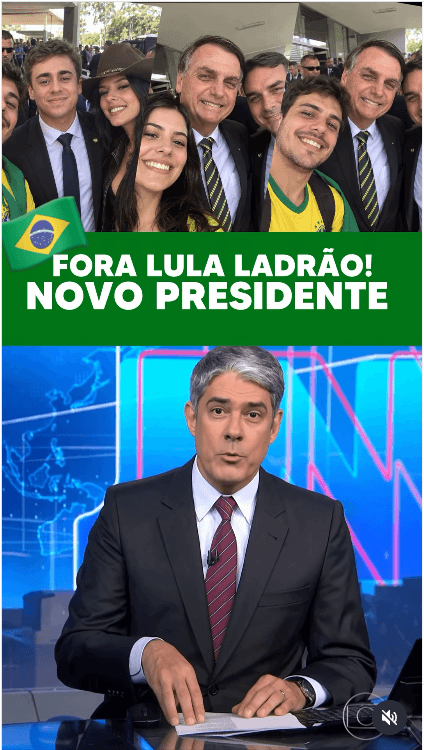
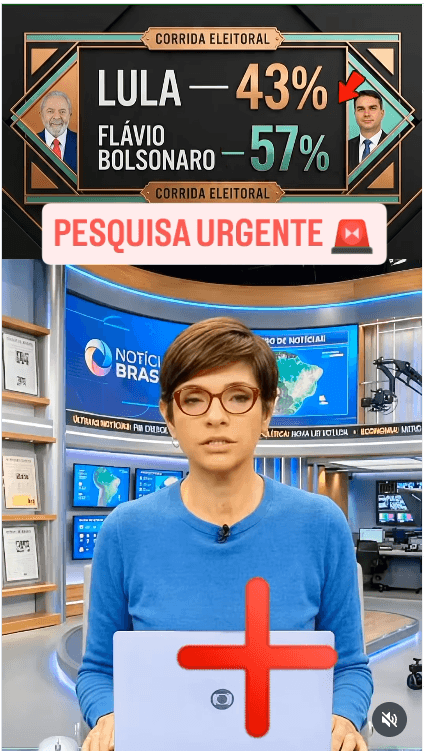
VigIA also identified another 366 posts using synthetic media for more conventional campaigning, including content depicting candidates' ballot numbers, biographies, rallies, and fictional everyday scenes.
Though Brazilian law requires labeling of AI content, VigIA found that nearly 60% of the 920 confirmed AI posts carried no disclosure. Only about 40% included some form of disclosure, either from the platform or from the account publishing the content.
The data presented publicly on Thursday (Oct. 1) also highlight how difficult enforcement can be. About 47% of all confirmed AI content came from social-media users, voters or activists, while another 27% came from anonymous, unidentified or avatar-based accounts. Candidates themselves accounted for about 24.5% (violating the legislation).
President Luiz Inácio Lula da Silva, running for reelection, was the politician most frequently depicted in AI-generated content, appearing in 379 posts. His main opponent, Flávio Bolsonaro, appeared in 190.
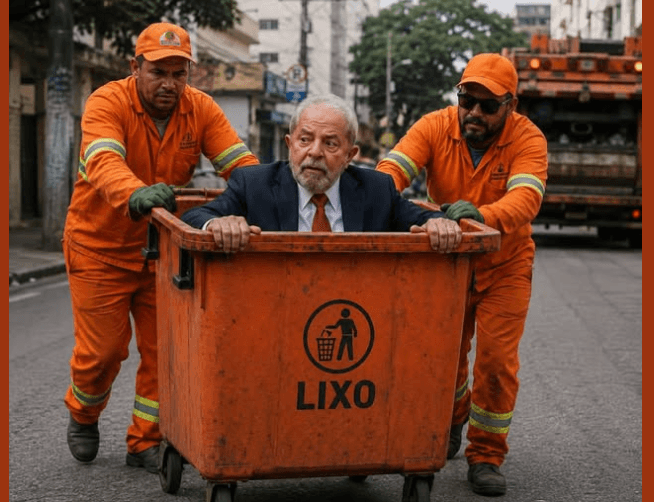
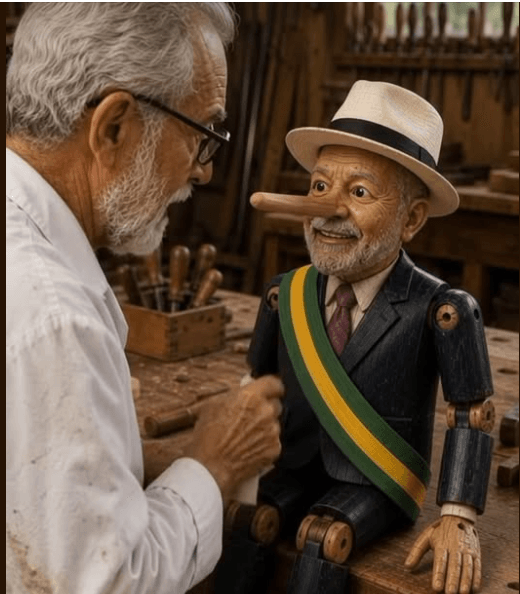
And the AI content about them cut both ways. Among AI posts featuring Lula, 34% attacked him while nearly 25% promoted him. For Bolsonaro, roughly 40% promoted his candidacy, and 27% attacked him.
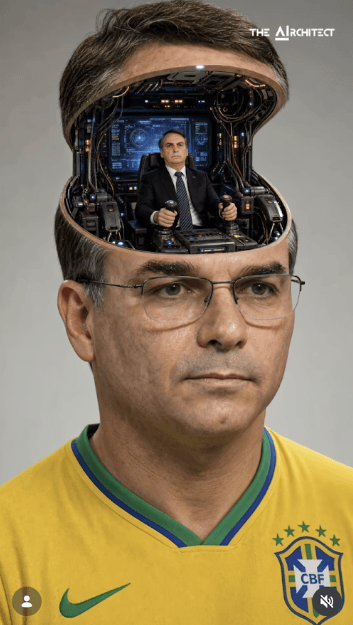
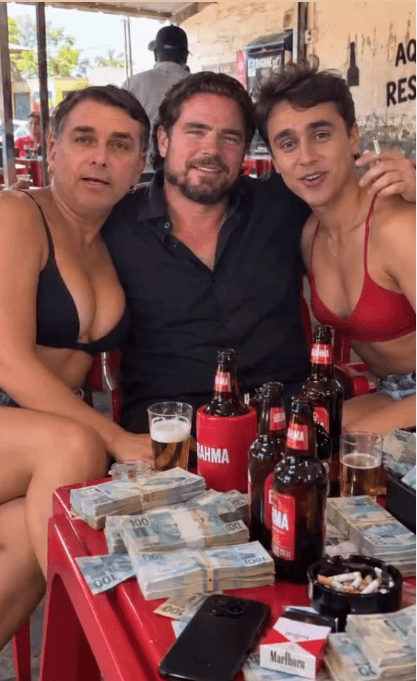
While VigIA's findings for the first round of the Brazilian election offer a broader picture of how AI is becoming part of everyday political communication, they also expose a crucial gap between laws in the books and the challenges of enforcing them.
To read or follow Project VigIA, click here.